Ombudsperson K. Palkova Highlights the Need to Balance Artificial Intelligence Development and Human Rights at International Conference
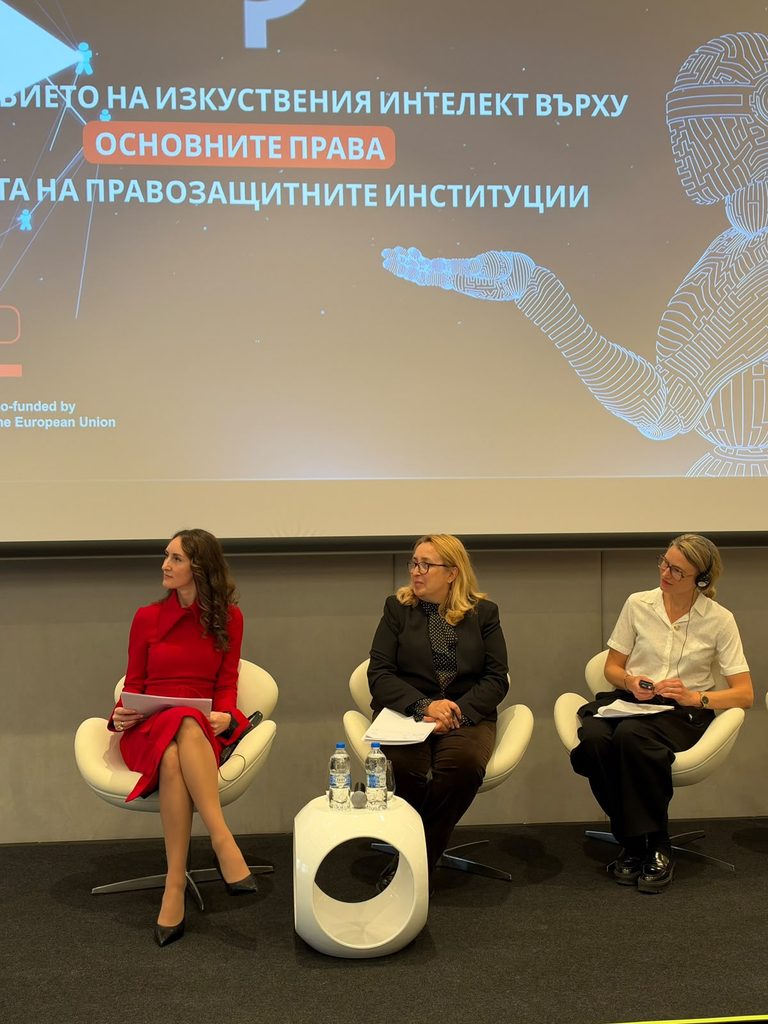
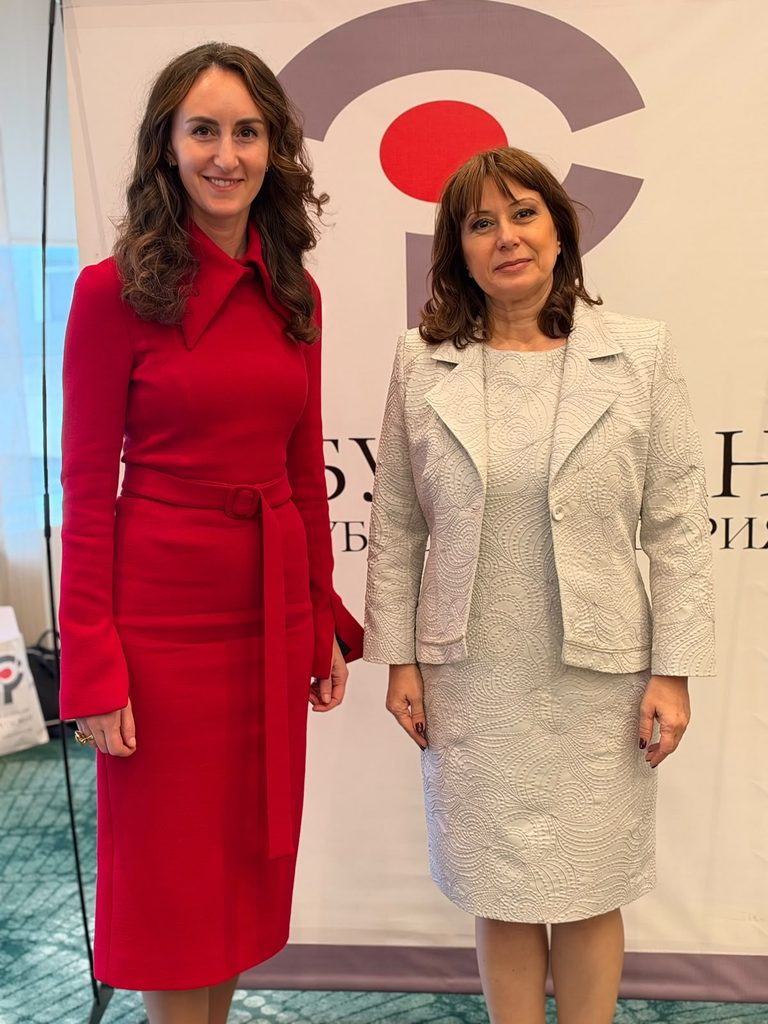
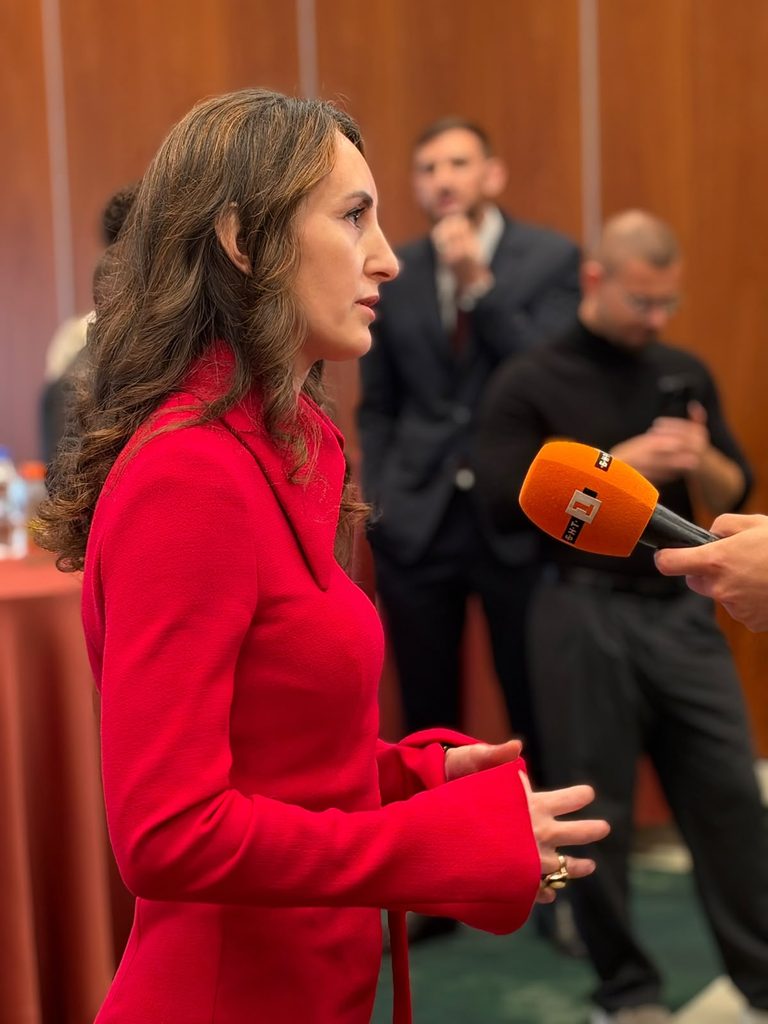
Today, 13 October, at the international conference “The Impact of Artificial Intelligence on Fundamental Rights and the Role of Human Rights Protection Institutions” organized by the Bulgarian Ombudsman’s Office in Sofia, Ombudsperson Karina Palkova presented Latvia’s achievements in establishing a legal and practical framework for the protection of human rights in the context of artificial intelligence (AI).
“The development of artificial intelligence opens up vast opportunities, but at the same time raises new and complex questions from a human rights perspective. One of the most significant challenges is ensuring a balanced deployment of AI, so that technological development and innovation progress alongside the protection of human rights. Our task is not to hinder technological advancement, but to help create an environment where innovation, fundamental rights, and the interests of society are in balance. Latvia has already taken concrete steps in this area, and through our experience we can contribute to the development of a common European approach,” emphasized Ombudsperson Karina Palkova.
Latvia is not only implementing European Union requirements in the field of AI oversight, but is also sharing its experience in human rights protection and actively contributing to the development of common European solutions.
Certain powers related to AI oversight have already been established for the Ombudsman’s Office in Latvia. Since February 2026, the Office has been entitled to request documentation relating to AI systems and, where necessary, initiate technical assessments in order to evaluate potential human rights violations.
Latvia’s experience and expertise are also valuable at the European level. The Ombudsman’s Office participates in the work of European Commission experts, contributes to the further development of AI regulation, and takes part in European standard-setting processes. The Office is also actively involved in the artificial intelligence working group of the European Network of National Human Rights Institutions (ENNHRI), promoting the exchange of experience and a common approach to human rights protection across Europe.
According to K. Palkova, preventive work is of particular importance. Therefore, the Ombudsman’s Office participates in AI regulatory sandbox initiatives, identifying potential human rights risks before new technologies are deployed on a wider scale. This practical experience is especially valuable at a time when European countries are establishing effective AI oversight mechanisms.